Engineering risks are inherently complex, involving high-value assets, technical processes, and multiple stakeholders. Losses can arise suddenly and have significant financial, operational, and contractual implications.
Engineering insurance provides a structured risk transfer mechanism designed to protect against sudden and unforeseen physical loss or damage, as well as associated liabilities and financial consequences.
This guide outlines the core engineering insurance covers, their scope, and where they practically apply.
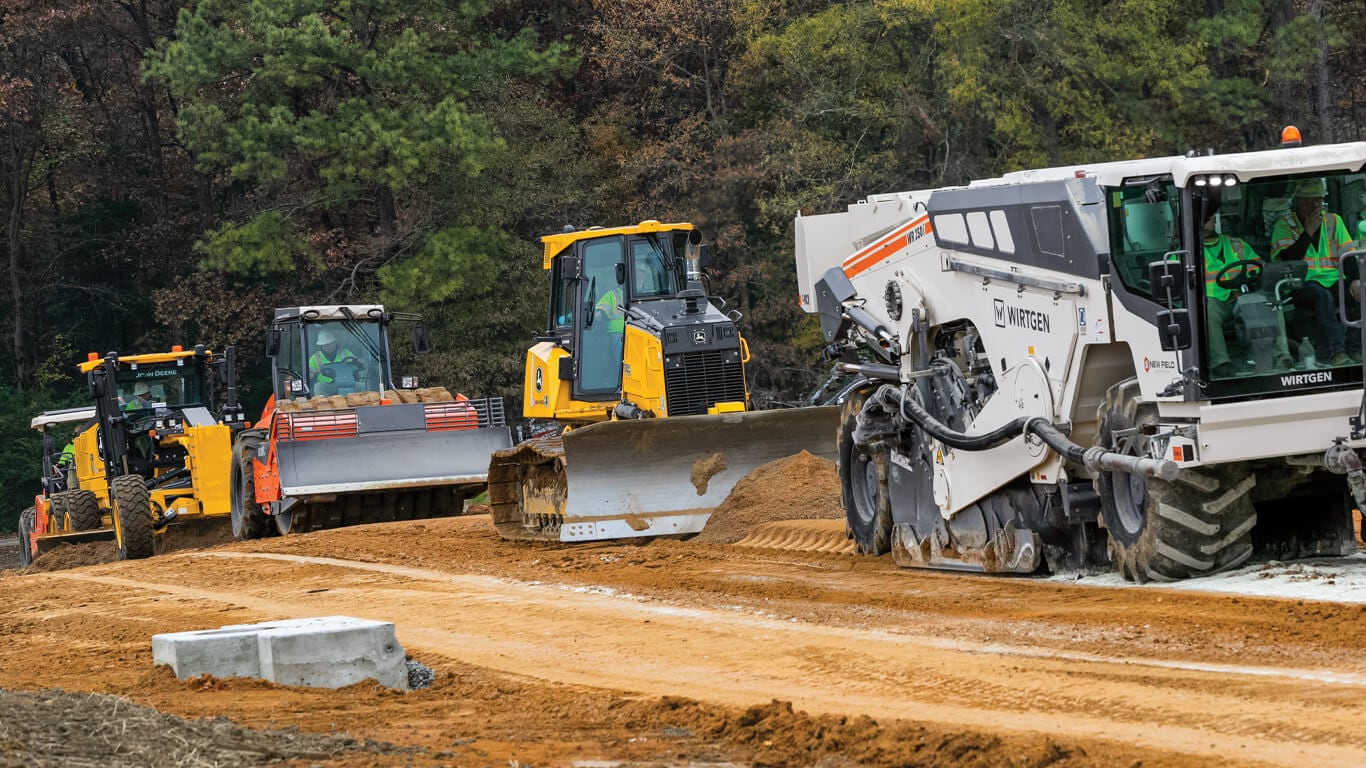
Scope of Cover:
Provides indemnity for physical loss or damage to contract works during the construction period, together with third-party liability.
Key Features:
Typical Insureds:
Employers (principals), main contractors, subcontractors
Practical Application:
Civil works projects (e.g. buildings, roads, bridges, residential and commercial developments)

Scope of Cover:
Applies to erection, installation, and commissioning of plant, machinery, and steel structures.
Key Features:
Practical Application:
Installation and erection projects (e.g. factories, power plants, generators, industrial machinery)
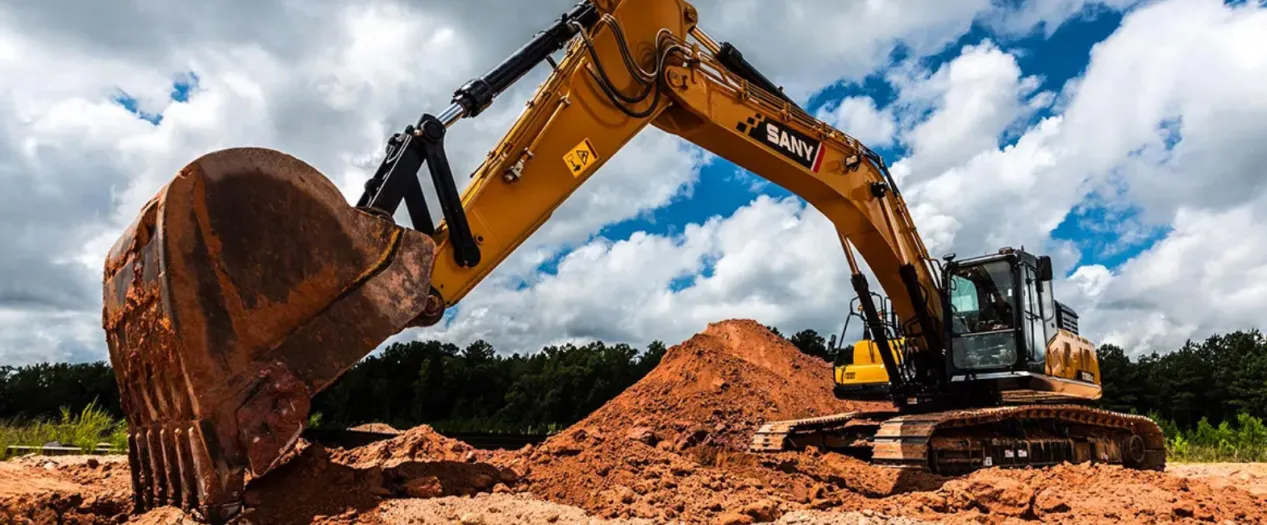
Scope of Cover:
Provides cover for owned or hired construction equipment against accidental damage.
Key Features:
Practical Application:
Machines used at construction sites and contractor operations (e.g. cranes, bulldozers, excavators, loaders)

Scope of Cover:
Covers sudden and unforeseen physical damage to machinery arising from internal causes.
Key Features:
Exclusions (Typical):
Practical Application:
Operational machinery in industrial settings (e.g. production machines, turbines, compressors, manufacturing equipment)

Scope of Cover:
Covers explosion or collapse of boilers and pressure vessels, including third-party liability.
Key Features:
Practical Application:
Pressurized equipment in industrial operations (e.g. boilers, steam systems, pressure vessels)
Scope of Cover:
“All risks” cover for electronic systems, subject to policy terms and exclusions.
Key Features:
Practical Application:
Electronic systems in business environments (e.g. computers, servers, medical equipment, telecom systems)
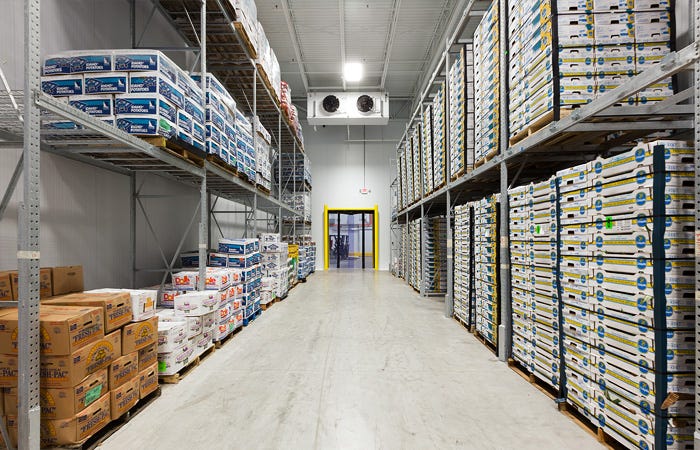
Scope of Cover:
Covers loss of perishable goods due to temperature changes following machinery breakdown.
Key Features:
Practical Application:
Perishable goods in controlled environments (e.g. cold rooms, freezers, pharmaceutical storage units)
Scope of Cover:
Provides cover for completed civil works after handover.
Key Features:
Practical Application:
Completed infrastructure assets (e.g. roads, bridges, pipelines, dams)
Scope of Cover:
Indemnifies financial loss resulting from insured damage under an engineering policy.
Key Features:
Practical Application:
Revenue-generating operations dependent on machinery or project completion (e.g. factories, processing plants, large-scale projects)

Scope of Cover:
Covers legal liability arising from bodily injury or property damage to third parties.
Key Features:
Practical Application:
Exposure to third-party risks during operations (e.g. construction sites, engineering works, contractor activities)
Engineering insurance is guided by fundamental insurance principles:
When arranging engineering insurance, it is important to ensure:
✔ Adequate sum insured (including escalation provisions)
✔ Clear definition of project scope and contract values
✔ Inclusion of testing and maintenance periods
✔ Alignment with contract conditions
✔ Understanding of policy exclusions and deductibles
Engineering insurance is not a standard “off-the-shelf” product. Each policy must be carefully structured to reflect:
A well-structured insurance programme ensures resilience, compliance, and business continuity.
At Surefront Insurance Brokers Ltd., we provide specialist advisory and placement services in engineering insurance, aligned with best practice and market requirements.
We support clients through:
👉 Engage us early in your project lifecycle to ensure appropriate risk transfer solutions are in place.
Arbanus Kimenye
MBA (Insurance) | AIIK
Insurance & Risk Management Professional
A senior insurance practitioner with over 19 years’ experience across underwriting, claims, and branch leadership, with deep expertise in engineering risks and structuring practical, client-focused insurance solutions.

